Collection: Hash & Rosin Production

Here you will find rosin presses, everything for hash production, and useful accessories.

  • Is it legal to press rosin?

    Yes, rosin pressing has been legal in Germany since April 1, 2024, under certain conditions. It falls under the permitted self-processing of cannabis using purely mechanical methods (heat and pressure) without the use of solvents.

  • What is the yield when pressing rosin?

    The yield when pressing rosin heavily depends on the starting material. As a rough guide, yields for flowers are often around 15–25%, for dry sift/kief about 30–40%, and for ice water hash about 60–70% or more.

  • Is rosin permitted under the Cannabis Act?

    Yes, rosin is permitted for adults under the German Cannabis Act (KCanG). It is classified as a cannabis concentrate or hashish because it is produced solvent-free and thus falls under the regulations for personal possession.

  • At what temperature should rosin be stored?

    Store in a cool, dark, and airtight place. For short-term storage, the refrigerator is suitable, while for long-term storage, the freezer is preferable to better preserve quality and terpenes.

  • How long does rosin last?

    When stored properly, rosin usually has a shelf life of several weeks to a few months. A window of about 2–4 weeks is often considered particularly fresh, and it often remains in good quality for up to 1–3 months in the refrigerator. Cool, dark, and airtight storage is crucial.

  • How much pressure is needed to press rosin?

    This depends on the material and the pressing surface. Flowers are usually pressed with more pressure than hash. 10- and 15-ton presses are therefore strong options because they offer enough reserves for different applications.

  • Can hash be pressed into rosin?

    Yes. The main difference to flower rosin is the starting material: with flower rosin, the flower is pressed directly, whereas with hash rosin, the resin is first extracted and then pressed. Hash rosin is therefore generally considered to be purer, more potent, and of higher quality.

  • Do you need freshly harvested buds for pressing rosin?

    No, you don't need freshly harvested flowers. Rosin is usually made from dried, well-cured flowers. However, they shouldn't be too dry, as this reduces the yield. Optimal is a balanced residual moisture content so that the resin can be easily separated.

  • What accessories do you need for rosin pressing?

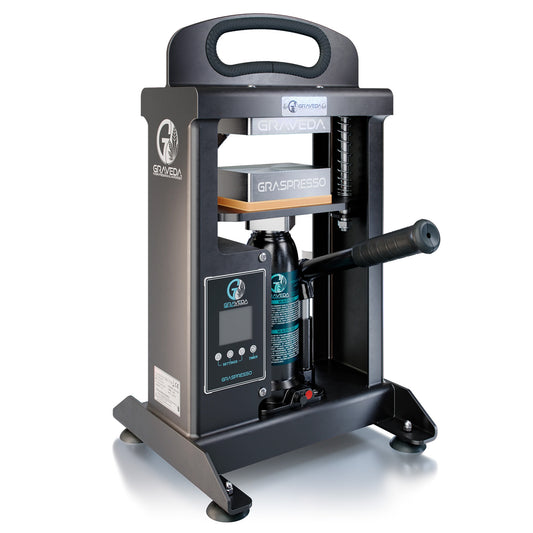
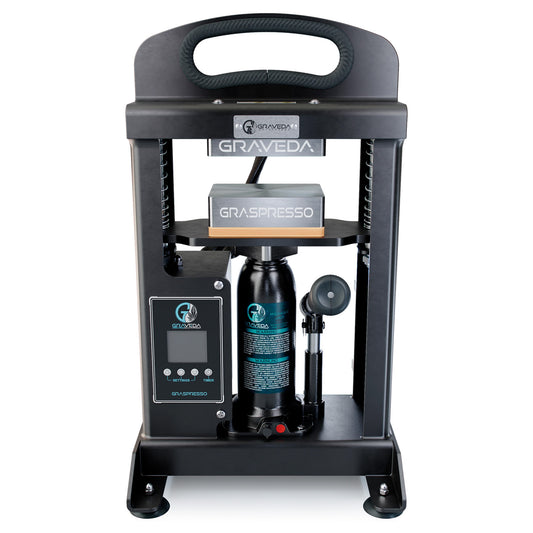
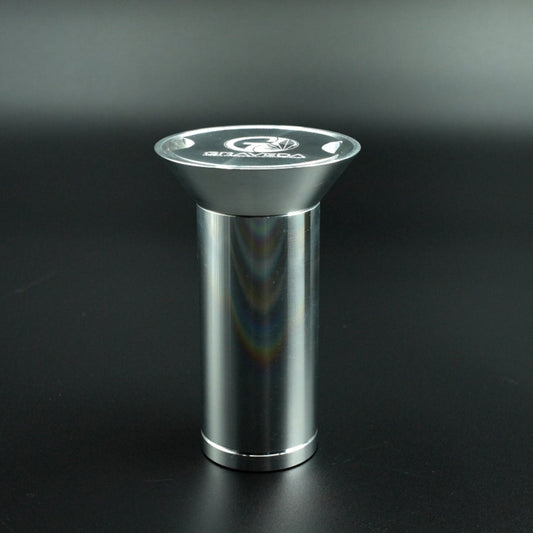
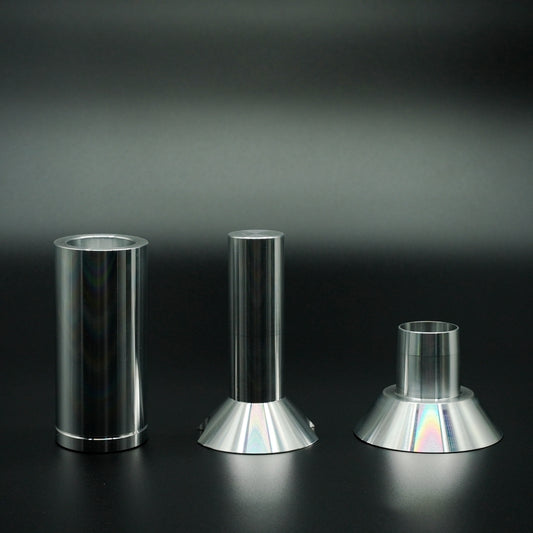
    To press rosin, you need a press, rosin bags, and rosin paper. A pre-press is also recommended to evenly prepare the material. You can find everything you need from Graveda here.

  • Is the production of hashish legal?

    Yes, the production of hash is generally permitted as long as it is done using sieving techniques, rubbing, or similar mechanical methods.

  • What are the methods of hash production?

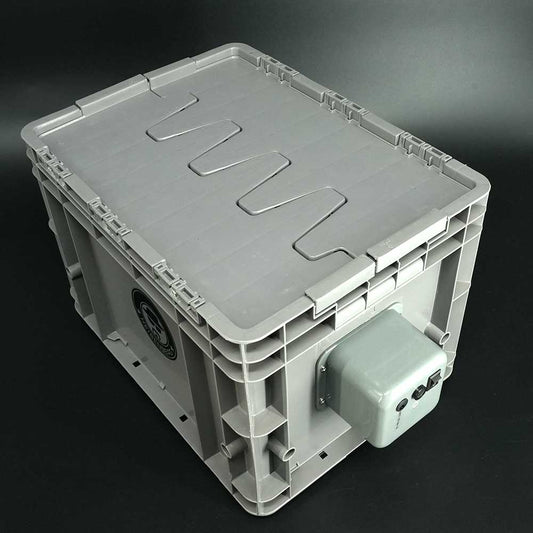
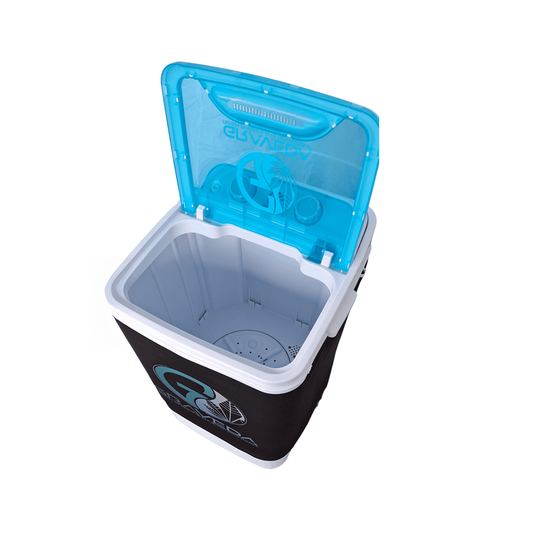
    For hash production, dry sifting and Ice-O-Lator / water hash are primarily known methods. For dry sifting, we offer suitable pollen machines. For water hash, you will find the perfect solution with our Graveda washing machine.

  • What do I need to make water hash?

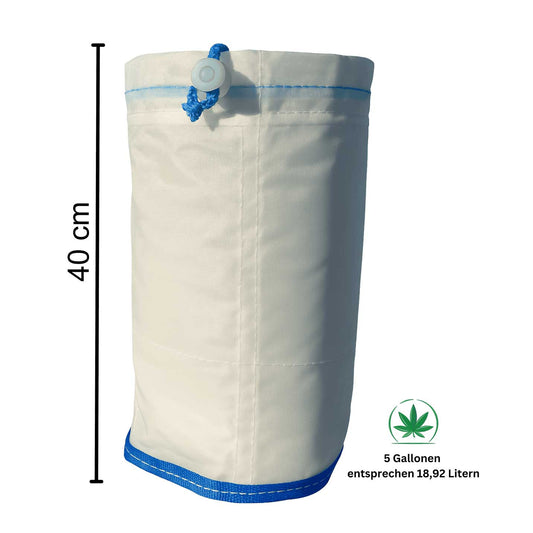
    For Ice-O-Lator (water hash), you primarily need bubble bags (sieve bags in various micron sizes), several buckets/containers, ice, and water. Washing machines are ideal for convenient work. We offer suitable washing machines and accessories from GRAVEDA for this purpose.

  • Which plants are best suited for hash production?

    Very resinous plants with a high trichome density and large, easily detachable resin heads are best. So, less important than the strain name is genetics that produce a lot of resin and are well suited for hash extraction.

  • Do you have to dry hash?

    Not always: water-based hash, like bubble hash, must be dried after production to prevent residual moisture. Dry sift, on the other hand, is extracted from already dried plant material and therefore usually does not need to be dried separately, as long as no moisture has gotten into it.

  • What methods are there to refine hash?

    Refinement primarily includes pressing, curing/aging, and shaping into temple balls or cannoli rolls. Additionally, there's cold-cured hash/piatella, where hash is aged with limited air and at cool temperatures, as well as further processing into rosin.